Los Angeles real estate moves fast, and curb appeal sets the tone before a buyer ever touches the front door. In a market where open houses can feel like speed dating, the exterior has to persuade at a glance. I have watched buyers pause at the sidewalk, tilt their heads for five seconds, then decide whether to cross the gate or keep walking. That tiny window can be nudged in your favor with a handful of fast, high ROI improvements that fit the LA climate, architecture, and water realities.
This is not a catalog of trendy projects. It is a lived-in guide to what actually lifts value and perceived quality on the block, based on what I have specified, installed, and maintained across the city, from breezy coastal lots to sun-baked valley cul-de-sacs. If you want a single, comprehensive resource, flag the big primers like The 2026 Landscaping Guide for Los Angeles Properties and The Essential Landscaping Guide for Los Angeles Property Owners. What follows is the on-the-ground version: practical ideas, trade-offs, and numbers that help you pick the right moves for your address.
What makes curb appeal work in LA
Three things drive exterior first impressions here. Light, texture, and restraint. The sun is stronger, the shadows deeper, and the built environment more varied than in most cities. On the same block you might see 1920s Spanish Revival, a midcentury ranch, and a boxy modern ADU peeking from the back. Landscapes that read clean and intentional, that echo the home’s lines without mimicking them, stand out. Think fewer species, repeated forms, and a mix of matte and glossy surfaces that catch late afternoon light without blinding.
Water also dictates choices. The city’s long drought cycles and periodic deluges reward designs that sip water most months and move it smartly during storm bursts. That means native or Mediterranean plant palettes, drip irrigation with smart control, and permeable surfaces that let soil do its job. It is one reason guides like Landscaping Los Angeles Properties: A Practical Guide to Beautiful Outdoor Spaces and Modern Landscaping Guide for Los Angeles Properties are packed with low water solutions. They are not fads here. They are table stakes.
Fast paint and hardware changes that pay off
If you want speed and impact without a crew, paint and fixtures lead the list. A front door in a saturated color can do more for perceived value than a full planting overhaul if the fascia is tidy and the stoop feels welcoming. I favor muted blues, oxblood, olive, or a warm charcoal to pop against stucco. For Spanish and Mission styles, deep green reads classic without drifting kitsch. On midcentury, an orange or mustard works, provided hardware is crisp and aligned.
Swap the house numbers with something weighty and well spaced. Eight inches tall reads from the street, especially at night. Black powder-coated aluminum or brass that will patina gracefully beats flimsy zinc every time. Replace the porch light with a fixture that echoes the home’s geometry. Sconces on either side of the door anchor an entry and stop the eye. LED lamps at 2700 to 3000 Kelvin feel warm but not orange, which matters when buyers arrive at twilight.
If you have a garage that faces the street, treat it like a facade, not a utility door. A coat of paint that matches the trim and a pair of dark steel pull handles fake custom carriage style on a budget. You can do this in a day for a few hundred dollars, and the bump in curb feel is immediate.
Planting that thrives in microclimates
Los Angeles microclimates are real. What thrives in Mar Vista may sulk in Pasadena, and Encino’s backyard will cook compared with El Segundo’s. The trick is to build your palette around durable anchors, then layer accents that fit your street’s conditions.
Anchors that work across the basin include coast live oak and strawberry tree for shade on mid to large lots, and arbutus marina if you want a showier bark. For low hedging, box honeysuckle and dwarf myrtle shape cleanly without the water hunger of Japanese boxwood. Agaves and aloes handle heat and form the sculptural bones modern homes like to flaunt. If you want softness, mix in deer grass and blue fescue for motion.
In coastal zones, salt and wind push you toward cistus, ceanothus, and phormium. Inland valleys love olives, Palo Verde, and desert museum hybrids, which bring filtered shade and a painterly silhouette without heavy leaf litter. For dappled woodland pockets up the foothills, toyon, coffeeberry, and manzanita behave as if they were designed by a minimalist. A tidy ground layer of dymondia or thyme knits it all together, stays low, and smothers weeds.
A note on lawn. A small, well framed swath, maybe 200 to 400 square feet, can look sharp and provide a picnic spot. But in most projects I keep grass as a focal rectangle, not a carpet. If you want green without the weekly water and mow, sturdy alternatives like kurapia and native bentgrass in the right conditions can shave irrigation 30 to 60 percent compared with traditional lawn. Synthetic turf has its place in tight, shaded courtyards where real grass fails. It must be installed with a permeable base, cooled with shade, and broken up with plant beds so it does not read like a putting green from the curb.
The parkway strip deserves attention. It is the city’s handshake with your house, and it carries outsized visual weight. Replacing a brown thatch of grass with native meadow clusters, decomposed granite, and spaced pavers immediately modernizes a block. Many neighborhoods offer parkway planting guidance and sometimes rebates for lawn removal. Always check city rules before removing or planting street trees. Some require permits and approved species lists.
Irrigation that respects water and your time
I still see spray heads blasting sidewalks at noon. It reads sloppy and knocks points off buyer confidence. Smart irrigation brings two benefits at once, lower water bills and tidy beds. A baseline upgrade for a typical front yard runs like this: convert spray zones to drip for all planting beds, swap remaining turf zones to high efficiency rotary nozzles, and install a weather based controller that talks to your phone. Material costs for a front yard of about 600 to 1,000 square feet can land between 800 and 1,800 dollars, plus labor if you are not doing it yourself. LADWP and other local utilities often run rebates for controllers and nozzles. That can shave a few hundred dollars off, sometimes more.
Schedule deeply and infrequently, early morning only. Inspect emitters twice a year. If you bury the drip line under mulch, which you should, flag the ends so you can find and flush them. When I get called to troubleshoot plants that look tired, nine times out of ten the issue is not a missing nutrient, it is a clogged filter, a stuck valve, or a run time set for April still running in October.
Surfaces that look expensive without a big spend
Hardscape can get pricey, but there are smart midrange moves that stretch a budget. A poured concrete path scored on a 2 foot grid and treated with a light sandblast finish reads custom for less than most paving stones. If you want warmth, stained concrete in soft gray or wheat beats the orange tints that turn sidewalks into fast food patios. Permeable pavers with a simple soldier course border look intentional and keep water on site. Choose a mix that leans to cool tones in bright light. Warm tans drift yellow under the LA sun.
Decomposed granite, properly stabilized, is your friend in the parkway and side yards. It supports foot traffic, costs less than stone, and lets water pass. Add steel edging for a crisp line, and alternate DG with planting beds so you do not get a long beige runway. If you have a cracked driveway, you can sometimes salvage curb appeal by saw cutting clean edges and installing a linear planting strip down one side. Rosemary prostratus cascading into the cut line transforms an eyesore into something deliberate.
Lighting that flatters, not floods
Well placed light makes ordinary materials look luxurious. I stick to three layers. A warm wash for the entry zone, soft path lighting at knee height, and two or three accents to graze a textured wall or highlight a prized tree. Aim spotlights across the face of a plant, not straight up the trunk, to avoid sky glow. Use shields. You want glow, not glare.
Choose fixtures you can service. Cheap aluminum stakes ridgeline outdoor living wobble loose by the second summer. Brass and copper age well and stay put. A small transformer hidden near the garage powers a low voltage system, and a smart timer syncs on and off with actual sunset times. Keep color temperature consistent at 2700 or 3000 Kelvin across the front yard so it reads cohesive on evening showings.
A 5 step weekend curb appeal sprint
Power wash the walkway, driveway edges, and stoop. Remove gum, rust, and old stains. A clean substrate makes everything else land sharper. Paint the front door and touch up trim. Swapping to a fresh, saturated door color is the single fastest visual upgrade. Replace house numbers and the porch light. Align them visually so the eye reads a line from the curb to the lockset. Mulch all planting beds with a 2 to 3 inch layer of shredded bark, then tuck in eight to twelve 1 gallon plants as repetition accents. Repeat species for rhythm. Edge the lawn and pathways, then add a pair of matching pots at the entry with drought tolerant showpieces like aloes or dwarf olives.Water, storms, and the in between years
We get long runs of dry, then bursts of serious rain. The good landscapes are built for both. At the design stage, even for quick curb appeal wins, look for one or two ways to slow and sink water. A shallow swale running from the downspout to a gravel filled basin keeps water on site and reduces sidewalk sheen. If you do not want to dig, add a 50 to 100 gallon rain barrel at the side yard tied to a single downspout and use it to water the parkway strip. Permeable groundcovers at the driveway edge, like thyme or dymondia, take tire overrun and sip runoff.
Erosion on hillsides is its own discipline. If your front yard slopes, anchor it with widely spaced boulders that interrupt sheet flow. Keep plant roots in the top six to twelve inches of soil, which is where most action happens, and run drip across contours, not down slope. I have held a steep Los Feliz entry together for a decade with manzanita clumps, yarrow, and river rock channels that barely read as drainage.
Case studies from the block
A Mar Vista bungalow with a tired lawn, two queen palms, and a cracked concrete path got a 5,800 dollar face lift that paid off. We cut a straight concrete walk set on a minimalist grid, swapped the lawn for a grid of low mounds with deer grass and agave attenuata, added three path lights, and painted the door a dense blue. Days on market dropped compared with similar comps, and the listing agent reported that several buyers mentioned the “California modern yard” on their offer letters. The plants use less than one third of the prior water once established.
In Pasadena, a 1915 Craftsman needed respect for heritage without going museum piece. We kept the broad front steps, replaced the thirsty hedge with a low native mix of coffeeberry and coral bells, and set river rock bands that echo the home’s river stone columns. To keep the porch from feeling cave like, we added indirect uplights behind the column planters. The cost, including a modest irrigation retrofit, sat near 9,200 dollars. It read as a renovation, not a flip.
An Encino ranch on a south facing lot wanted shade and privacy from the street. A double row of drought tolerant olives at staggered spacing, combined with a three rail horizontal cedar fence, softened the facade without walling it off. We used chipped granite for the parkway and planted rosemary and mounds of blue chalk sticks that tie to the gray tones of the house. The irrigation runs two drip zones at different emitters to serve the trees and the ground layer. Summer water use, even on that hot block, dropped about half compared with the old lawn.
Small architecture touches that change the read
Curb appeal is as much about silhouette as horticulture. A simple steel or cedar trellis on a blank garage wall turns dead space into composition. A low stucco garden wall, kept to 24 inches and aligned with the home’s base course, frames the yard without closing it. On a Spanish or Mission facade, a clay pantile cheek wall at the entry steps feels right. On a midcentury, a breeze block screen can hide an ugly side yard while nodding to history.
Handrails matter. A wobbly aluminum rail on a front step kills confidence. Swap to a painted steel rail, geometric and slim, and you set a different tone. If you have a modern box, puncture the plane with a slatted wood gate, stained dark. The interplay of solid and void gives depth that planting alone cannot.
Color, materials, and how they change in LA light
Stucco shifts warmer through the day. That off white you liked on a gray morning can go peach at 3 p.m. Always test paint on the south facing wall and view it twice before committing. Wood also ages faster in our sun. Cedar leans silver if you let it, which can look elegant beside a cool gray house. If you want to hold color, a penetrating oil with UV blockers once a year keeps it from going blotchy.
Stone trends bounce around. White marble chips photograph well, then blind you at noon. I avoid high glare aggregates in front yards. Darker crushed basalt or a mixed river pebble is forgiving and blends with soil tones. For pavers, pick a blend that includes at least two complementary shades so dust and leaf litter do not shout.
Budgets, timelines, and where the ROI lives
You can shift curb appeal in a weekend for a few hundred dollars using paint, mulch, pots, and fixtures. In the 2,500 to 7,500 dollar range, you can add a new path, swap a parkway, add ten to twenty anchor plants, and update lighting. Between 10,000 and 25,000 dollars, you can regrade, run new irrigation, add a panel fence, pour a small seating pad, and plant fully. Past that, you are into design build territory, which can be worth it when the home’s price point demands a polished package. On listings above the two million mark, I often see pre market exterior budgets of 30,000 to 60,000 dollars because the delta on sale price pays it back.
Where do you get the most value per dollar? Entry sequence. Path, steps, door, and the first six feet of planting. Next comes lighting. Then irrigation that keeps everything alive without constant fiddling. Turf removal sometimes earns rebates, which bumps ROI further. Various resources like Landscaping Guide for Los Angeles Properties: Design landscaping guidelines Ideas, Costs & Expert Tips and The Smart Homeowner’s Landscaping Guide for Los Angeles Properties lay out cost ranges that align with what I see in bids across town.
Maintenance that does not eat your weekends
Neat beats busy on the street. The best looking fronts are pruned three to four times a year, not three to four times a month. Choose plants that hold a shape with light touch. Set a calendar reminder for a small handful of tasks and your exterior will look freshly tuned when buyers or guests arrive.
- Edge and sweep the front walk and driveway monthly. Sharp edges read as care even if you skipped weeding that week. Refresh mulch twice a year to maintain a 2 to 3 inch blanket. It keeps roots cool, conserves water, and ties plantings together visually. Inspect irrigation at season changes. Flush drip lines, check filters, and adjust the controller for weather. Prune for structure, not volume. Remove crossing branches and weak growth, then step back. Avoid shearing into green meatballs unless that is the intentional style. Clean fixtures and replace lamps in early fall. Match color temperatures so the lighting feels composed at dusk.
Regulations, wildfire zones, and neighborhood fit
Los Angeles is a patchwork of rules and associations. If your home falls in a historic overlay zone, there may be specific guidelines on front fences, materials, and even plant lists. In HOA neighborhoods, the board may govern fence height and front lawn changes. Always read before you dig, especially with parkway strips and street trees. Cities often reserve the right to plant or remove street trees and can fine for unauthorized work.
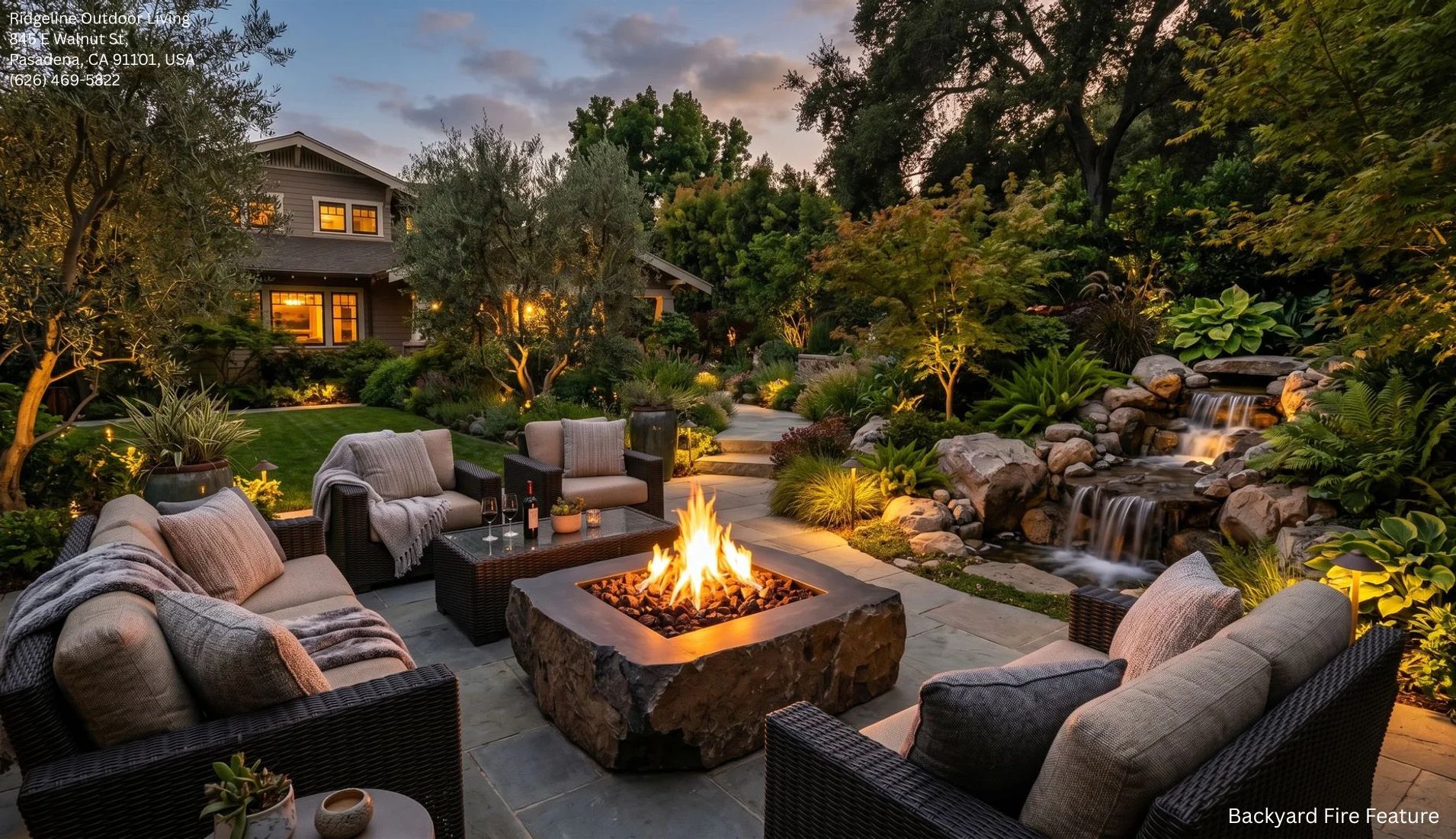
In the wildland urban interface zones that line the foothills, keep defensible space in mind. Use non combustible mulch like gravel within five feet of structures, maintain spacing between plant masses, and avoid combustible fences that touch the house. You can still have beautiful curb appeal while keeping embers at bay. A band of pavers or a crushed stone shoulder around the base of the facade acts like a fire break and looks intentional.
Mistakes I see and how to avoid them
Overplanting tops the list. Planting too many species because the nursery cart looked fun creates a choppy read. Pick a lead plant and a supporting cast. Repeat them. Another common miss is scale. Small pots flanking a generous door feel timid. Go bigger and plant simply. Lighting glare is a quiet offender. Path lights spaced like runway beacons flatten a yard. Keep them sparse and set low.
I also see materials mixed without a plan. A little brick, some flagstone, a patch of DG, then concrete in a single front yard confuses the eye. Set a primary material and allow one accent. The last mistake is yard art overload. A single sculptural piece can sing. Five wind spinners make it a flea market.
When to call in help
If you are adjusting grades, tying into drainage, or setting a new fence or wall, bring in a licensed pro. Hillside work especially benefits from experience. A day of consulting can save you two months of backtracking. Firms that focus locally understand our plant performance and soil quirks. Resources like Ridgeline Outdoor Living Landscaping Tips & Best Practices and Ridgeline Outdoor Living’s Landscaping Guide for Los Angeles Properties offer frameworks and vocabulary that make conversations with designers and contractors smoother.
For plant selection, a trip to a nursery that stocks climate tuned inventory is eye opening. Walk Tree of Life down south or a solid local like Theodore Payne Foundation to see mature natives in context. Touch the bark, see leaf colors in full sun, and you will make better picks than scrolling photos. The Complete Landscaping Guide for Los Angeles Homes and Properties and A Homeowner’s Guide to Landscaping Los Angeles Properties both emphasize this get out and look approach because it changes how people design.
A note on staging the exterior for sale
If you are prepping specifically for market, prioritize fixes that photograph well and survive two months without fuss. Fresh mulch, potted statement plants at the entry, extra attention to the door and hardware, and lighting set on timers carry the listing through daylight savings weirdness and agent caravans. Keep hoses out of sight. Borrow one or two mature containers from a friend or a rental service if your new plants need time to bulk up.
On showing days, water lightly early morning so foliage looks crisp, but avoid puddles on the path. Wipe dust off the mailbox and the top rail of the fence. Straighten mats and sweep leaves. It sounds basic, but it works.
Tying it all together
Good curb appeal in Los Angeles looks effortless because it has been edited hard. It respects light, controls water, and speaks the home’s language without shouting. It remembers that buyers notice the place where their feet first land and the line their eyes follow to the lock. Start with paint and hardware. Shape an entry sequence that feels inevitable. Plant less, but plant smart. Run irrigation that you trust, add restrained lighting, and repeat strong forms. The rest is maintenance and a gentle refusal to add clutter.
If you want more depth or a broader planning lens, you will find value in references like Everything You Need to Know About Landscaping Los Angeles Properties and From Design to Installation: The Complete Landscaping Guide for Los Angeles Properties. Keep them on the shelf. But if the open house is four weeks away, the quick wins above will carry you far.
Business Name: Ridgeline Outdoor Living
Address: 845 E Walnut St, Pasadena, CA 91101, United States
Phone: (626) 469-5822
Ridgeline Outdoor Living
Ridgeline Outdoor Living is a Pasadena-based landscape design-build company serving Greater Los Angeles with custom outdoor living, hardscape, and drought-tolerant landscape solutions. The company specializes in patios, retaining walls, outdoor kitchens, drainage, hillside projects, and turnkey landscape construction, handling projects from design and permitting through final build and warranty.
845 E Walnut St, Pasadena, CA 91101, USA
Business Hours:
- Monday – Saturday: 8:00 AM – 6:00 PM
- Sunday: Closed
Follow Us: